
Category
Struggling Readers
Articles and reviews in Struggling Readers.
20 articles
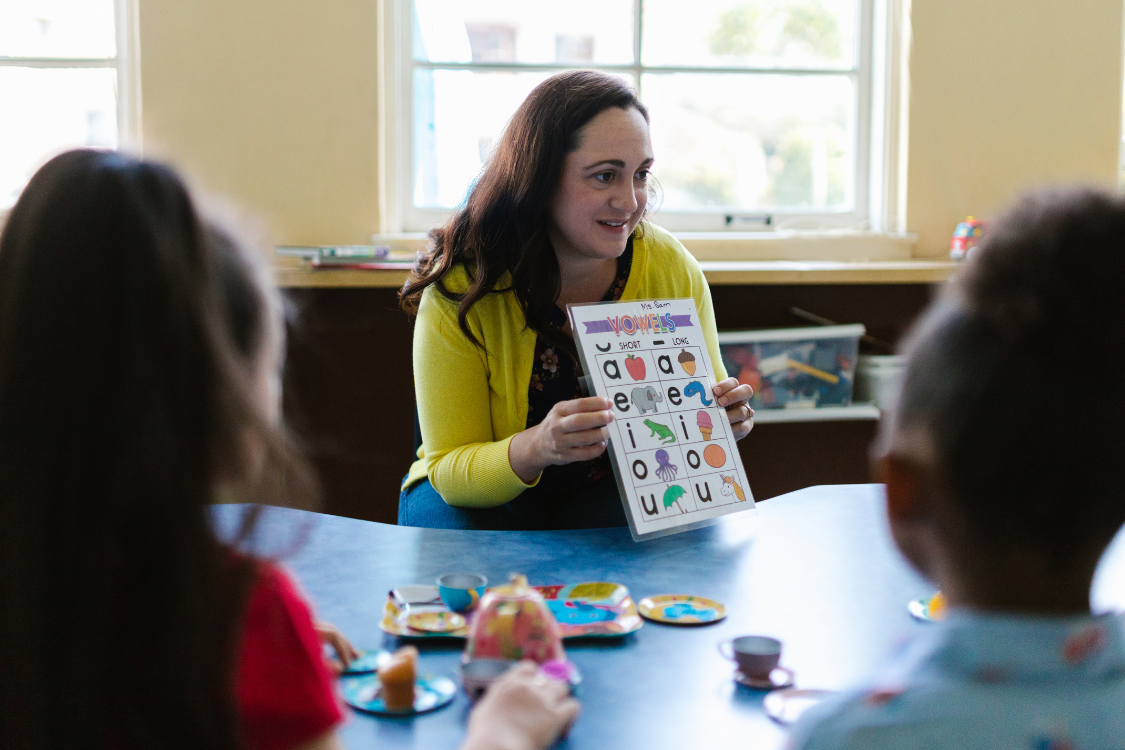
How Much Phonics Instruction Does A Child Need Per Day?
Parents often wonder exactly how many minutes of phonics instruction their child needs each day, and it’s a fair question to ask. Too little instruction leaves…
 Review
 Wilson Reading System Review: Is This Phonics Program Right for Older Struggling Readers?
A Rigorous Structured Literacy Intervention Built for Students Who Have Not Responded to Other Approaches Looking for honest, research-grounded reviews of…

AI Reading Apps for Dyslexia: What Works?
Search the app store for dyslexia, and you will find a wave of apps promising to help. Some are built on solid ground. Others offer little more than a special…

Best AI Reading Tutors for Kids: A Parent and Teacher Guide
What if every child had access to a patient, one-on-one reading tutor who never lost their place, never got tired, and adjusted instruction within seconds…

How to Evaluate Your Child’s School Phonics Program
Most parents trust that their child’s school is using a good reading program. That trust is reasonable, but it is not always warranted. According to the 2024…

Audiobooks and Phonics: Helpful Supplement or Decoding Shortcut?
Ask a room full of parents whether audiobooks “count” as reading, and you’ll get a sharply divided answer. Some swear by them as the thing that finally got…

Dyslexia Myths That Are Still Hurting Kids
If misinformation about dyslexia were harmless, this article wouldn’t need to exist. But the myths still circulating in schools, pediatric offices, and even…

The Dyslexia-Phonics Connection: Why Structured Literacy Is Non-Negotiable
If you’re reading this because something feels off with your child’s reading, trust that instinct. Roughly one in five kids in any classroom shows signs of…

IEP Goals and Phonics: What to Ask For and Why
If you’ve already sat through an IEP meeting and walked out feeling like the reading goals were soft, vague, or weirdly disconnected from what your child…

Progress Monitoring in Phonics: What Parents Should Be Asking Schools
Most parents only hear about reading problems when it’s already late in the game. A vague comment at a parent-teacher conference, a worrying score on a state…

Red Flags vs. Normal Variation: How to Tell If Your Child Needs Help
Here’s something most parents don’t realize: Two five-year-olds sitting side by side in the same kindergarten classroom can be months apart in their reading…

Adopted Children and Phonics: Addressing Gaps from Disrupted Early Language Exposure
Before a child ever sees a letter on a page, their brain is already building the architecture for reading. It happens through thousands of hours of being…

Phonics for Students with Visual Processing Difficulties
Your child passed the eye exam with flying colors, but they still mix up “b” and “d,” lose their place on the page, and get frustrated every time they sit down…

Multilingual Learners at Home: Phonics When English Is the Second Language
Your family speaks Spanish at home, but your child is learning to read in English at school. Or perhaps your household runs on Mandarin, Arabic, or Somali, and…

Teaching Phonics to Students with Hearing Loss
Most people assume phonics and hearing loss don’t belong in the same sentence. After all, phonics is about sounds, and hearing loss means limited access to…

Phonics for Late Talkers: When Speech Delays Affect Reading Readiness
Your toddler points at the dog, lights up with excitement, but stays silent. Meanwhile, the child next door is already stringing sentences together. If this…

Phonics Catch-Up for Third Graders: Intensive Intervention Strategies
There is a well-documented shift that occurs around third grade, which literacy researchers have studied for decades. In the early grades, children are…

ELL Students and Phonics: Understanding Sound System Differences
Maria’s kindergarten teacher noticed something puzzling. The bright five-year-old could identify every letter in the alphabet and knew most of their sounds.…

Teaching Phonics to Specialized Populations: Adapting Instruction for Every Learner
Your third grader still struggles to decode simple words. Your English language learner confuses similar sounds. Your high schooler avoids reading aloud at all…
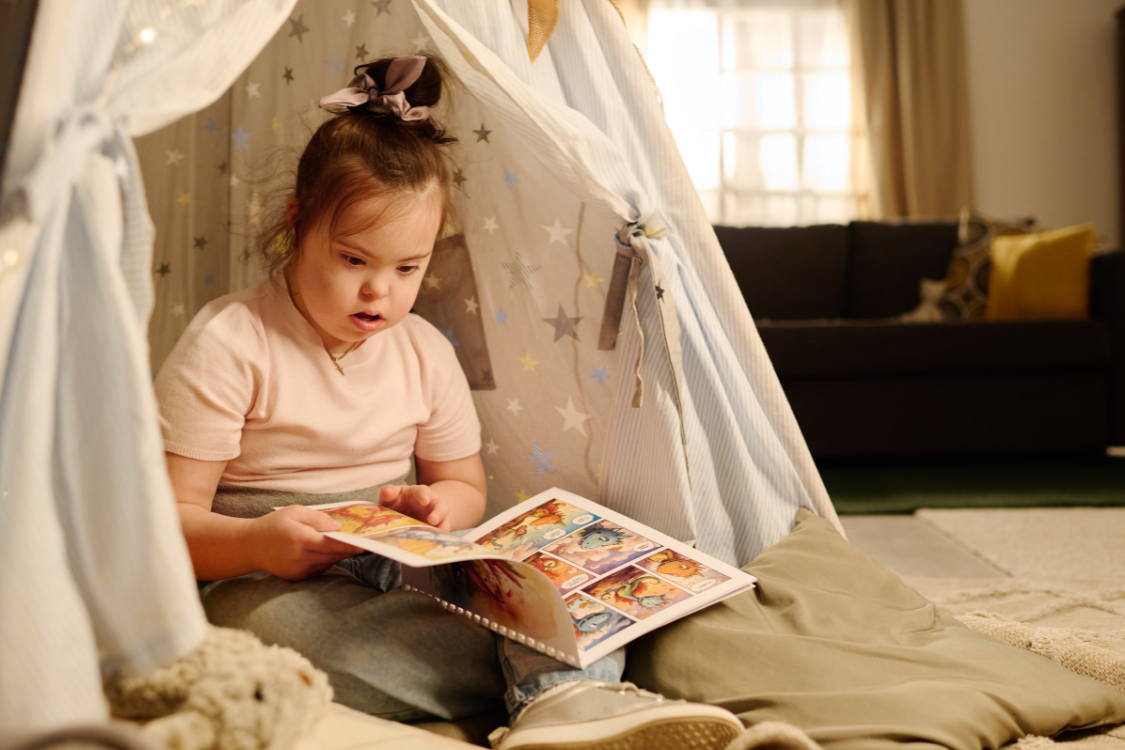
Teaching Phonics to Students with Down Syndrome
Imagine it: a child with Down syndrome proudly reading their favorite book aloud, pointing to each word with growing confidence. This isn’t just a hopeful…