
Category
Phonics Skills
Articles and reviews in Phonics Skills.
48 articles

How Much Reading Practice Is Too Much for Young Children?
Most parents worried about their child’s reading ask one question: Are we doing enough? Fewer stop to ask the opposite. But researchers, classroom teachers,…

What Kindergarten Teachers Wish Parents Knew About Early Literacy
Kindergarten teachers hear a version of the same story every September. Parents spent the summer drilling letter names, practicing counting, and worrying about…

Reading Readiness vs School Readiness: What’s the Difference?
Parents hear both phrases in the run-up to kindergarten, often used as if they mean the same thing. They do not. A child can be ready for school without being…

When Should You Switch Reading Programs?
Every parent using a reading program eventually hits the same worry. Progress feels slow, the child seems bored, and a shinier option is always one search…
 Review
 Reading Horizons Discovery Review: Is This Phonics Program Right for Your K-3 Classroom?
A Structured Literacy Program With Strong Phonics Foundations and Notable Instructional Gaps Looking for honest, research-grounded reviews of literacy…

Reading Motivation For Kids Who Are Still Learning To Decode
Learning to decode is slow, effortful work, and it can wear down a child’s enthusiasm for reading long before the skill itself is solid. A child who once loved…

Is Your Preschooler Ready To Learn Letter Sounds?
Many parents assume letter sounds are where reading instruction should start. There is actually a step that comes first, and it has nothing to do with letters…

Red Flags In Popular Reading Curricula
Not every reading curriculum labeled “research-based” reflects current reading research. Some widely used programs still contain instructional practices that…
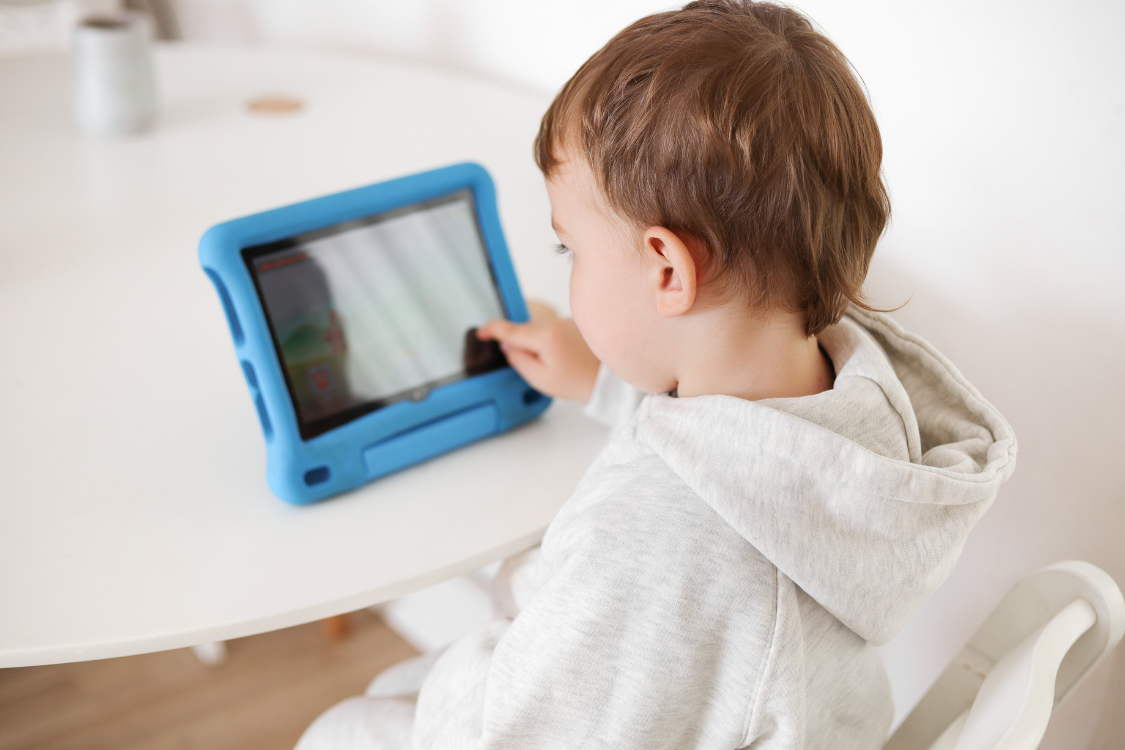
AI Storytelling Apps vs Structured Literacy
AI storytelling apps are becoming a regular presence on tablets in homes and classrooms. These are tools that generate and narrate original stories for kids on…
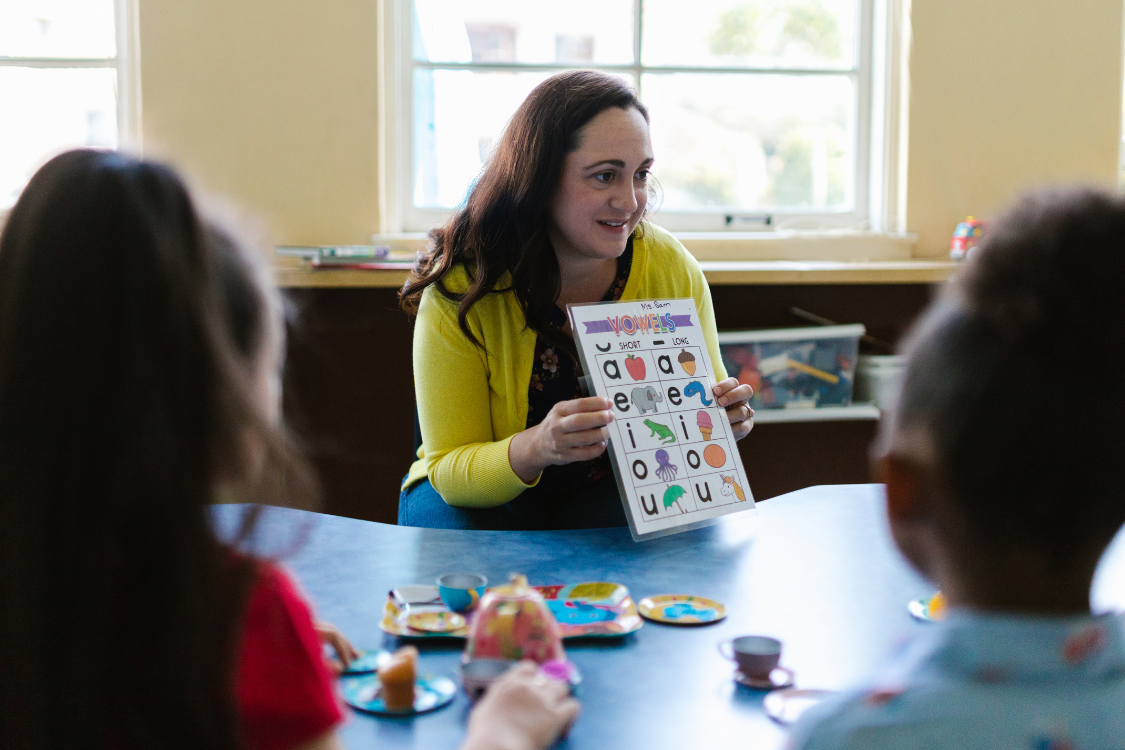
How Much Phonics Instruction Does A Child Need Per Day?
Parents often wonder exactly how many minutes of phonics instruction their child needs each day, and it’s a fair question to ask. Too little instruction leaves…
 Review
 All About Reading Review: Is This Phonics Program Right for Your Homeschool?
A Structured, Multisensory Phonics Program Built for Parent-Led Instruction Looking for honest, research-grounded reviews of literacy programs? Browse the…

The Hidden Problem With AI Reading Feedback
Your child finishes reading a passage aloud to a tablet, and a cheerful message appears. Ninety-eight percent accuracy. Great job. It feels like proof that…

AI Reading Apps for Dyslexia: What Works?
Search the app store for dyslexia, and you will find a wave of apps promising to help. Some are built on solid ground. Others offer little more than a special…

Why Some Children Learn to Read Earlier Than Others
In any kindergarten classroom, one child is already reading chapter books while another is still working out that letters make sounds. Both can be completely…

Can You Combine Multiple Phonics Programs?
It happens in a lot of homes. The school sends one phonics program, you downloaded a reading app that everyone recommends, and a well-meaning relative gave…

How AI Listening Technology Works in Reading Apps
Some reading apps do something that feels almost magical. Your child reads a sentence aloud, and the app instantly shows which words they nailed and which…

The Skills Children Need Before Formal Phonics Instruction
By the time a child sounds out their first word, most of the groundwork is already in place. Reading does not begin with letters on a page. It begins years…

Parents’ Guide to AI-Powered Reading Programs
Your child’s tablet can now do something that sounded like science fiction a few years ago. It can listen to them read aloud, catch the words they miss, and…

AI Reading Tutors vs Human Reading Tutors
An AI reading tutor never sighs, never glances at the clock, and never loses patience at seven on a Tuesday night. For about the price of one coffee a month,…

Can AI Teach Phonics Better Than Apps?
Search “learn to read” in the App Store right now and you will get hundreds of results, most of them describing themselves as “AI-powered.” Jolly Phonics,…

Best AI Reading Tutors for Kids: A Parent and Teacher Guide
What if every child had access to a patient, one-on-one reading tutor who never lost their place, never got tired, and adjusted instruction within seconds…

Using YouTube for Phonics Practice: The Good, the Bad, and the Useless
YouTube has more than 500 hours of video uploaded every minute. Somewhere in that flood of content are genuinely useful phonics resources for your child, and…
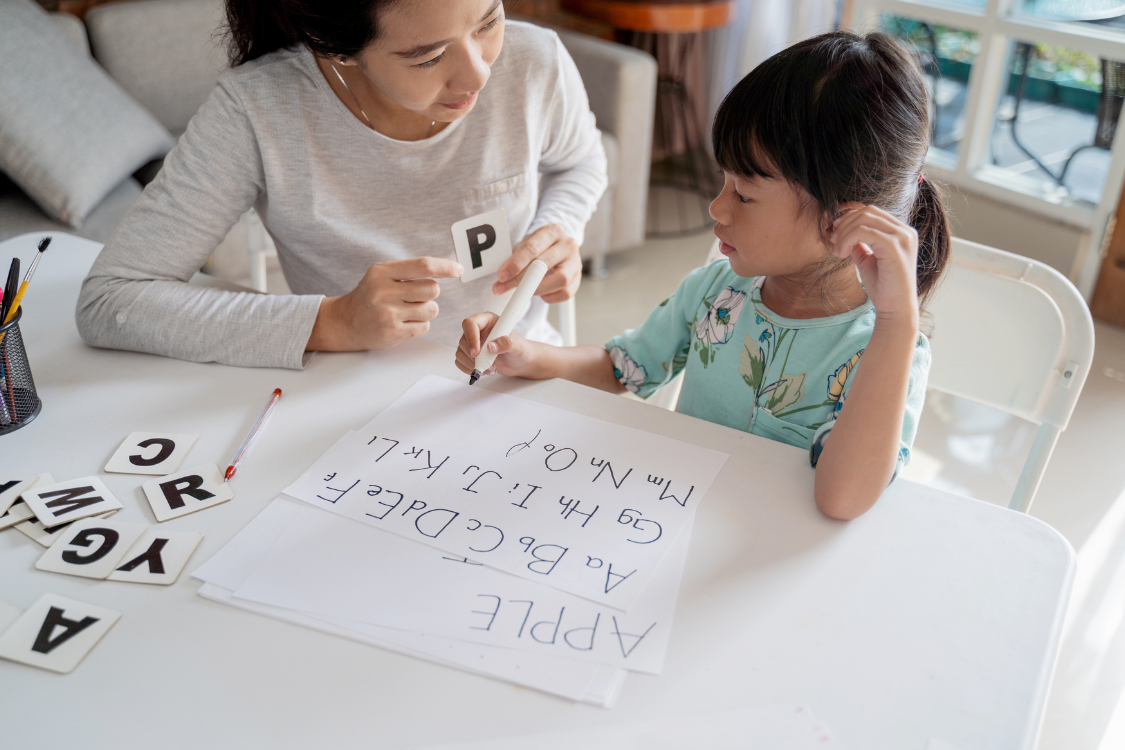
How Long Does It Take a Child to Complete a Phonics Program?
Parents starting a phonics program often want to know one thing: how long is this going to take? It is a reasonable question, and the honest answer is that it…

Phonics Manipulatives That Beat Any Screen
A set of letter tiles. A tray of sand. A stack of index cards. None of these cost much, and none of them require charging. Yet when used with intention inside…

What to Look for in a Phonics App Before You Download
There are thousands of phonics and reading apps available for kids right now, and most of them look convincing. Bright colors, animated characters, cheerful…

How To Use Phoneme-Grapheme Mapping at Home
When your child writes “sip” instead of “ship,” they’re not making a careless mistake. They’re missing a small but important skill. They haven’t yet learned…

Sight Words and Phonics: Friends, Not Enemies
If you’ve spent any time in early literacy circles, you’ve probably noticed something strange: people argue about sight words. One camp says memorizing sight…
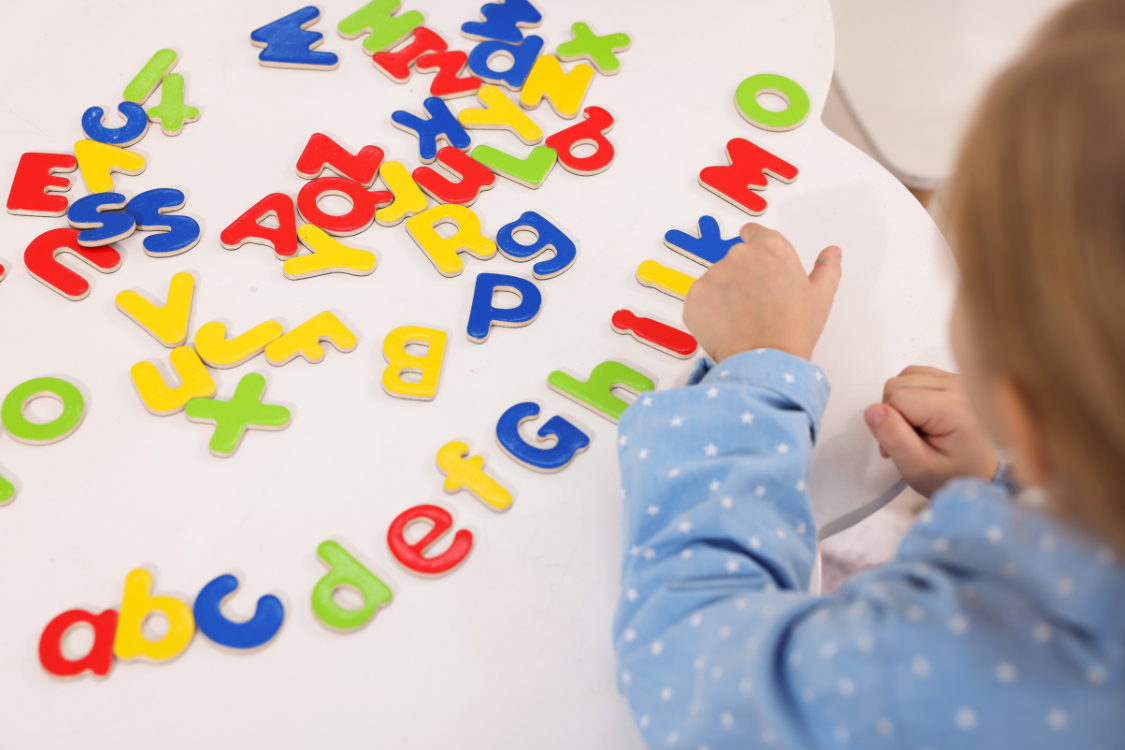
Word Sorting: The Low-Tech Phonics Strategy with Big Results
Among kindergarten teachers, word sorting holds a quiet kind of reverence. It asks for nothing more than a small pile of word cards and a child willing to look…

Dictation as a Phonics Tool: Why Writing Reinforces Reading
Most parents and teachers think of reading and writing as separate skills taught at different times of day. Reading comes first, the thinking goes, and writing…

Decodable vs. Leveled Readers: Which Belongs in Your Child’s Hands
Walk into any kindergarten classroom, and you will see two very different books being handed to children learning to read. One says, “Sam can tap. Sam can…

Cumulative Review in Phonics: The Strategy Most Programs Skip
When a child learns the short /a/ sound on Monday, blends CVC words on Tuesday, tackles digraphs on Wednesday, and then never returns to short /a/ again,…

Phonics Scope and Sequence: What It Is and Why It Matters
Imagine handing a child a jigsaw puzzle with no picture on the box and no guidance about where to begin. A few kids might figure it out eventually, but most…

How to Structure a Phonics Lesson From Start to Finish
Here’s something that might surprise you: the order of a phonics lesson matters almost as much as the content inside it. A child who sits down for 20 minutes…

Small Group Phonics Instruction: How to Make It Work
Walk into any effective elementary classroom during literacy time, and you’ll likely see something that looks a bit like organized chaos. A teacher works…

What a Good Phonics Screener Actually Measures
If your child’s school sent home a note about an upcoming “phonics screener,” you might have felt a flash of worry. Is it a test? Will my child pass or fail?…

Why Decodable Books Matter More Than You Think
Your child has been learning letter sounds for weeks. They can tell you that “s” says /s/ and “a” says /a/ and “t” says /t/. Then you hand them a picture book…
The Alphabetic Principle: The One Concept That Changes Everything for Both Teachers and Parents
Right now, you’re reading these words without thinking about how you’re doing it. Your brain is instantly converting letters into sounds and sounds into…

Fluency Is Not a Bonus Skill: Why Reading Rate and Accuracy Matter
Most parents celebrate when their child can sound out words on a page. That’s a huge milestone. But here’s what often gets overlooked: decoding is not the…

First Grade Phonics: When to Move Beyond Basics
There’s a moment that many first-grade parents describe with the same kind of wonder, the moment their child picks up a book and just… reads it. Not perfectly,…

Preschool Phonics: What’s Developmentally Appropriate?
Here’s something that surprises many parents: phonics learning doesn’t begin in kindergarten. It begins in the bathtub. It begins in the car. It begins every…

Kindergarten Phonics Pacing: Month-by-Month Expectations
If you’ve ever sat at a kindergarten pickup wondering whether your child is keeping pace with their classmates, you’re not alone. Phonics progress in…

When Phonics Rules Don’t Work: Teaching Exception Words Systematically
You’ve been working hard with your child on phonics. They’re blending sounds beautifully, sounding out “cat” and “ship” with confidence. Then they encounter…

Digital Phonics Games: Which Ones Actually Follow Science?
You’re scrolling through educational apps at 10 PM, reading glowing reviews and watching demo videos of animated characters celebrating correct answers. This…

Screen Time vs. Sound Time: The Phonics Balance
It’s 6:30 PM on a Tuesday. Dinner’s cooking, work emails are piling up, and your five-year-old is restless. You hand over the tablet loaded with that phonics…

Systematic Phonics for Homeschoolers: Building Readers Step by Step
Your kindergartener knows the alphabet song by heart. She can identify most letters when you point to them. She’s even started recognizing her name in print.…

Gamification in Phonics: What Motivates Students?
Your kindergartener rushes to the tablet each morning, eager to earn more badges in their phonics app. Two months later, they barely glance at it. What…

Morphophonemic Awareness: The Missing Link in Upper Elementary
Your fourth grader breezes through simple stories but stumbles over science textbooks. She can decode “cat” and “jump” perfectly, but falls apart when facing…

Memory and Phonics: Why Some Kids Forget Letter Sounds
Your child confidently identifies the letter M on Monday. By Wednesday, they stare at the same letter as if they’ve never seen it before. You wonder if you’re…